
Cuban Coffee
| Type | Regional & specialty |
| Origin | Cuba |
| Ingredients | Espresso (or moka pot coffee), sugar |
| Served | Hot |
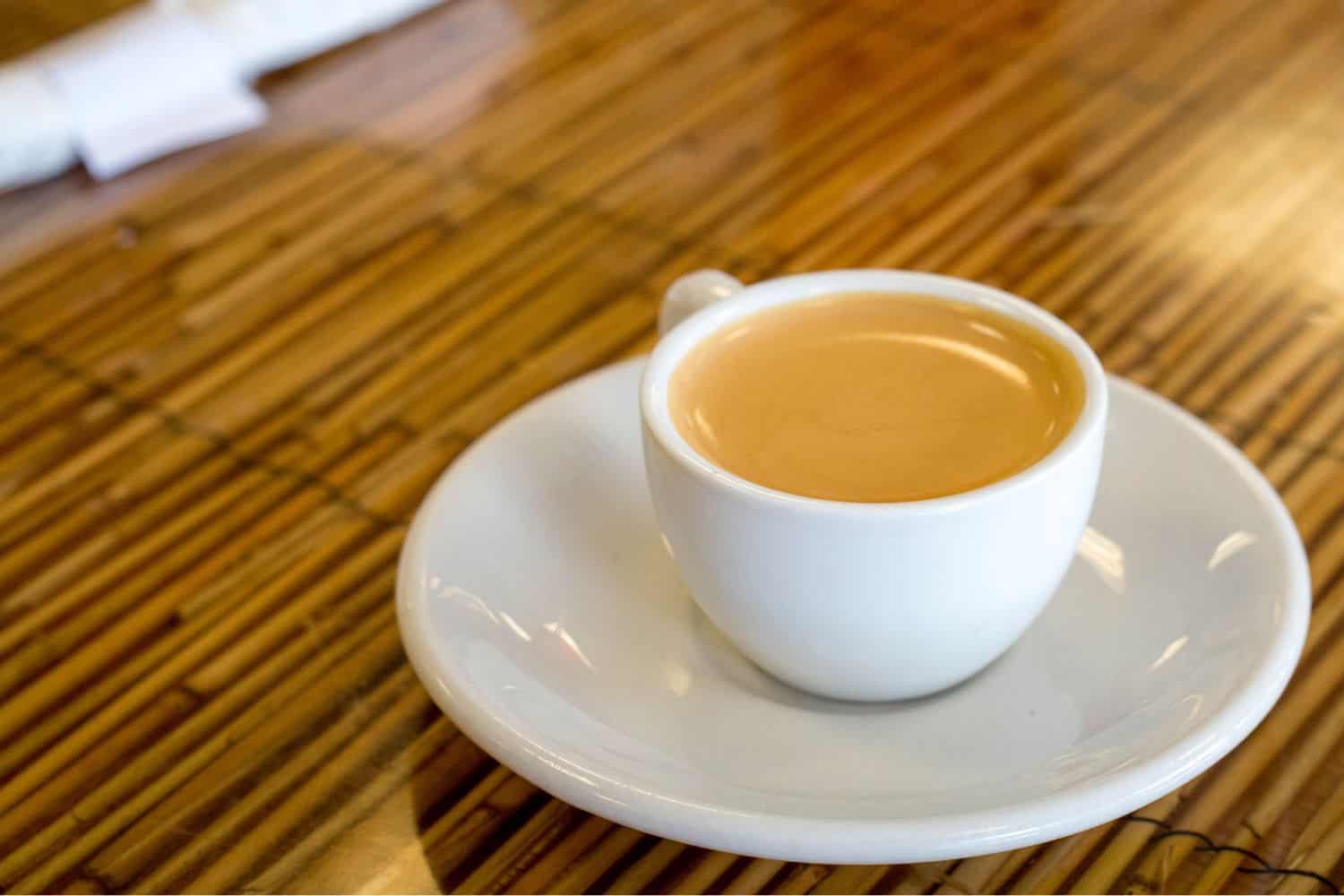
Cuban coffee refers to a family of Cuban espresso-based drinks, most famously cafecito (Cuban espresso sweetened with sugar). It’s known for a strong espresso flavor and a sweet, velvety foam called espumita made by whipping sugar with the first drops of espresso.
Origin
Cuban coffee culture developed around espresso-style brewing and the widespread use of sugar, becoming a daily ritual in homes and cafés. Cafecito is especially associated with social moments—served in small cups and often shared.
How it’s made
The classic method uses espresso (or a moka pot at home) plus sugar.
Cafecito method (Cuban espresso)
- Brew a strong espresso (or moka pot coffee).
- In a small cup, mix sugar with a few drops of the first brewed coffee until it becomes a light, creamy paste (espumita).
- Pour the rest of the coffee over the espumita and stir gently.
Taste profile
- Strong, concentrated coffee
- Sweet and slightly caramel-like from whipped sugar
Variations
- Cafecito: sweetened Cuban espresso with espumita
- Colada: a larger portion meant for sharing, served with small cups
- Cortadito: cafecito “cut” with a small amount of steamed milk (similar idea to a cortado, but typically sweeter)
- Café con leche: stronger coffee served with a larger amount of hot milk; often sweetened
Serving
Usually served in small demitasse cups for cafecito/cortadito, and as a colada when meant to be shared.